

304 vs 316 Stainless Steel Fasteners – Which Should You Choose?
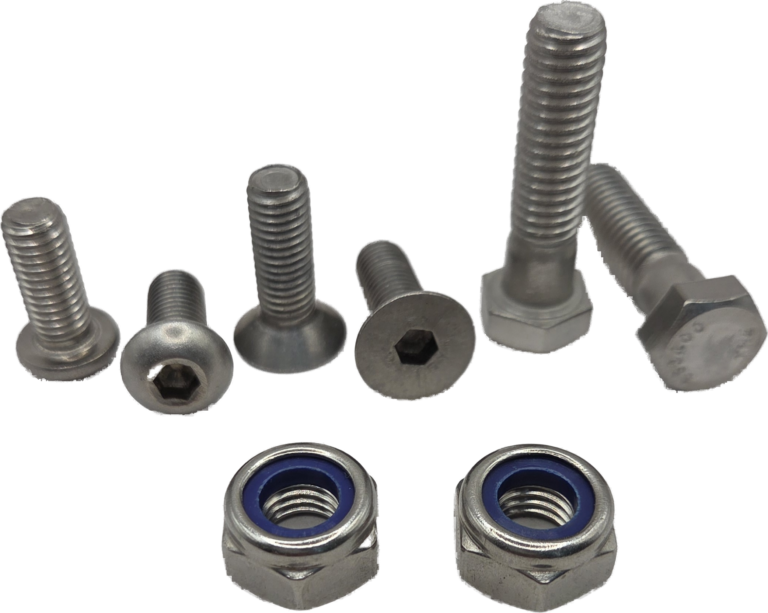
When selecting stainless steel fasteners for your project, one of the most common questions is whether to choose 304 stainless steel or 316 stainless steel. Both materials offer excellent corrosion resistance and durability, but each is suited to different environments and applications.
Understanding the differences between these two grades can help you choose the right fastener for long-term performance and value.
What Are 304 Stainless Steel Fasteners?
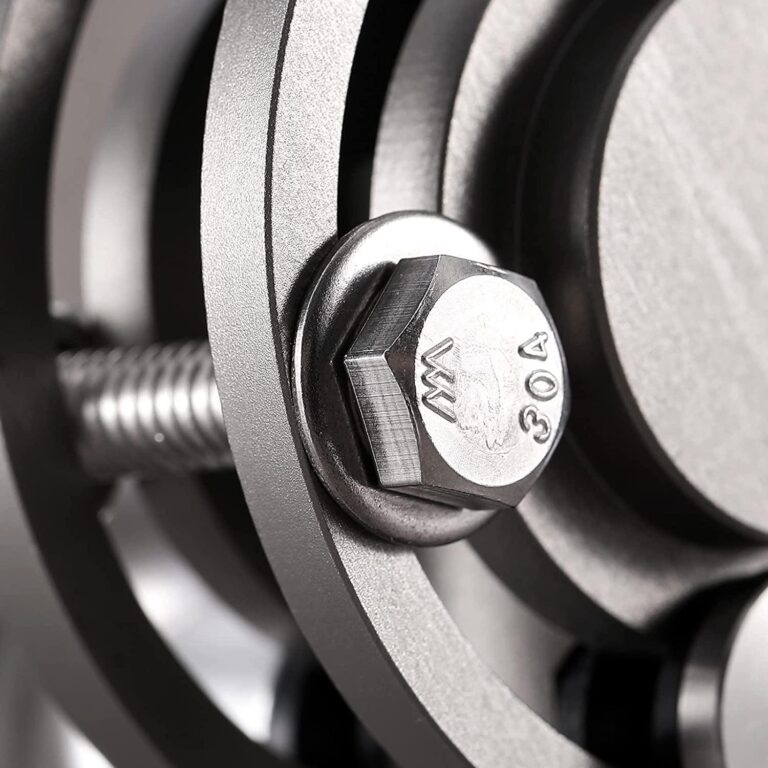
304 stainless steel, also known as A2 stainless steel, is the most widely used grade of stainless steel fastener. It offers a strong combination of corrosion resistance, durability, and affordability.
Common Applications
- General construction
- Manufacturing equipment
- HVAC systems
- Indoor applications
- Food processing facilities (non-coastal environments)
Advantages of 304 Stainless Steel
- Cost-effective solution
- Good corrosion resistance
- Strong and durable
- Widely available
Limitations
- May stain or rust in coastal environments
- Less resistant to salt exposure
- Vulnerable to chloride attack
For most standard applications, 304 stainless steel fasteners provide excellent performance and value.
What Are 316 Stainless Steel Fasteners?
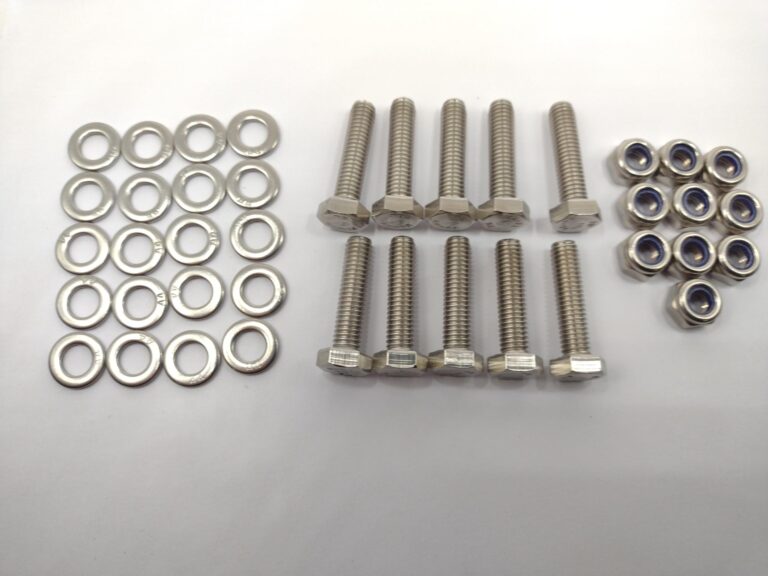
316 stainless steel, also known as A4 stainless steel, contains molybdenum, which significantly improves resistance to corrosion caused by saltwater, chemicals, and harsh environmental conditions.
Common Applications
- Marine environments
- Coastal construction
- Boat trailers
- Chemical processing facilities
- Swimming pools
- Offshore structures
Advantages of 316 Stainless Steel
- Superior corrosion resistance
- Excellent performance in saltwater environments
- Better resistance to chlorides and chemicals
- Longer service life in harsh conditions
Limitations
- Higher cost compared to 304 stainless steel
304 vs 316 Stainless Steel Fasteners: Key Differences
| Feature | 304 Stainless Steel | 316 Stainless Steel |
|---|---|---|
| Corrosion Resistance | Good | Excellent |
| Saltwater Resistance | Moderate | Excellent |
| Chemical Resistance | Good | Superior |
| Cost | Lower | Higher |
| Indoor Applications | Excellent | Excellent |
| Coastal Applications | Limited | Recommended |
Is 316 Stainless Steel Stronger Than 304?
A common misconception is that 316 stainless steel is significantly stronger than 304 stainless steel.
In reality, the mechanical strength of both materials is very similar. The primary difference is their resistance to corrosion, not their load-bearing capability.
If corrosion resistance is not a major concern, 304 stainless steel is often the more economical choice.
Which Stainless Steel Fastener Should You Choose?
Choose 304 Stainless Steel If:
- Your project is located more than 5 km from the coast
- The environment has minimal exposure to salt
- You need a cost-effective fastening solution
- The application is indoors or in a controlled environment
Choose 316 Stainless Steel If:
- The project is near the ocean
- Fasteners are exposed to saltwater or chemicals
- The environment experiences high humidity or harsh weather conditions
- Long-term corrosion resistance is critical
Industries That Commonly Use Stainless Steel Fasteners
Stainless steel fasteners are widely used across many industries, including:
- Construction
- HVAC
- Manufacturing
- Transport and trailer manufacturing
- Marine and boating
- Mining
- Food processing
- Infrastructure projects
Selecting the correct grade helps ensure reliability, safety, and long-term performance.
Need Help Choosing the Right Stainless Steel Fastener?
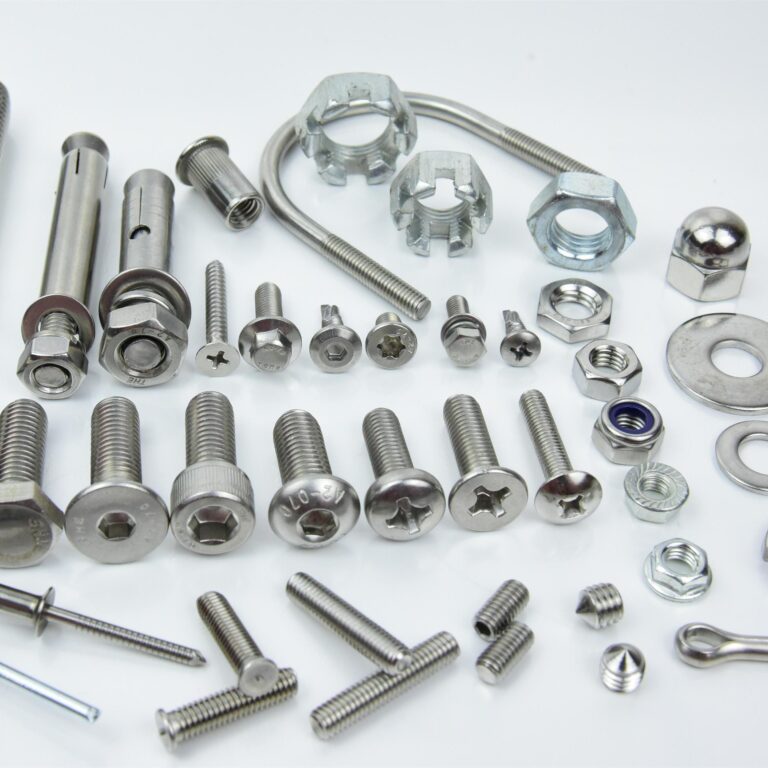
Choosing between 304 and 316 stainless steel depends on your environment, budget, and corrosion resistance requirements.
At Top Fasteners, we supply a wide range of stainless steel fastening solutions, including blind rivets, structural blind rivets, lockbolts, and rivet nuts for industrial applications.
Conclusion
Whether you choose 304 or 316 stainless steel fasteners, selecting the right material can improve durability, performance, and long-term value. If you're unsure which option is best for your application, contact the team at Top Fasteners for expert advice.