

How to Select the Right Blind Rivet
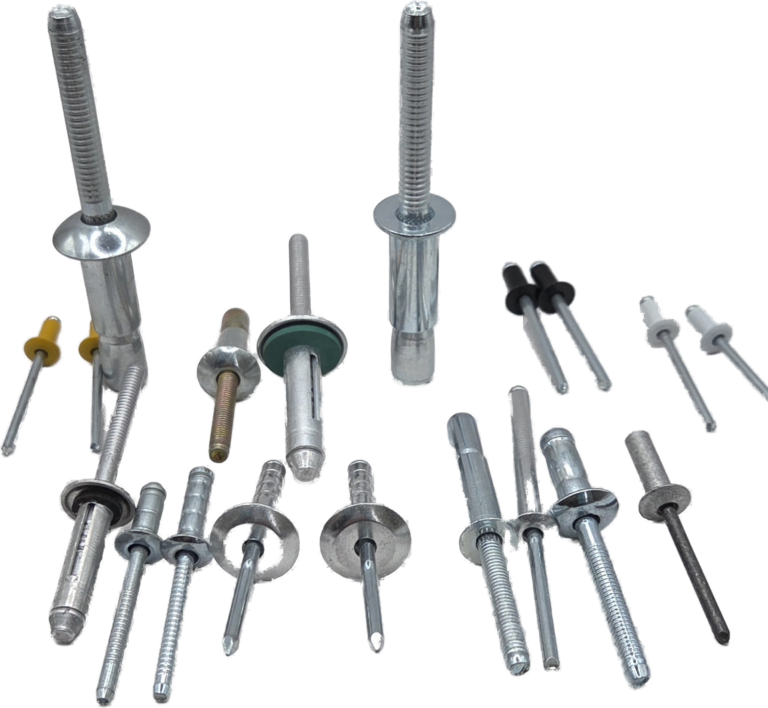
Choosing the right blind rivet is essential for achieving a strong, reliable, and long-lasting fastening solution. Blind rivets are widely used in construction, transport, HVAC, manufacturing, marine, and general engineering applications because they can be installed when access is only available from one side of the material.
Selecting the correct blind rivet helps ensure optimum strength, durability, corrosion resistance, and long-term performance. This guide explains the key factors to consider when choosing the right blind rivet for your application.
What Is a Blind Rivet?
A blind rivet consists of two components:
- The rivet body
- The mandrel (pull stem)
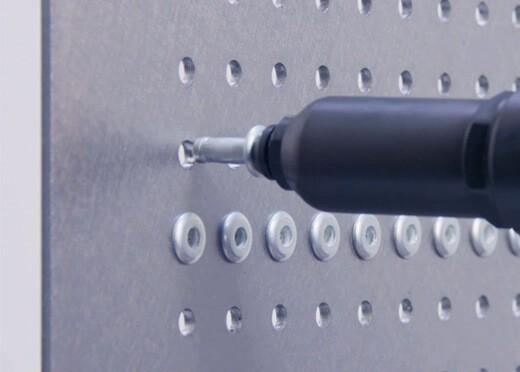
When installed using a rivet tool, the mandrel is pulled through the rivet body, causing the rivet to expand and clamp the materials together. Once the required clamping force is achieved, the mandrel snaps off, leaving a secure permanent fastener.
Blind rivets are ideal when access to the rear side of the assembly is not possible.
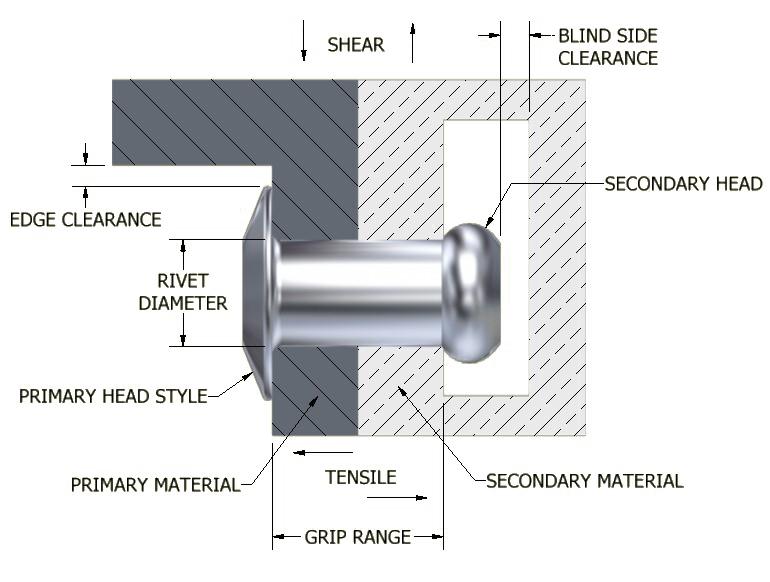
Step 1 – Determine the Material Thickness (Grip Range)
The first consideration when selecting a blind rivet is the total thickness of the materials being joined.
For example:
- 1.5 mm aluminium sheet
- 3.0 mm steel bracket
Total material thickness = 4.5 mm
The selected rivet must have a grip range that includes this thickness.
Example
- Total thickness: 4.5 mm
- Suitable grip range: 3.0–5.0 mm
Using a rivet with an incorrect grip range can result in poor clamp force, loose joints, or installation failure.
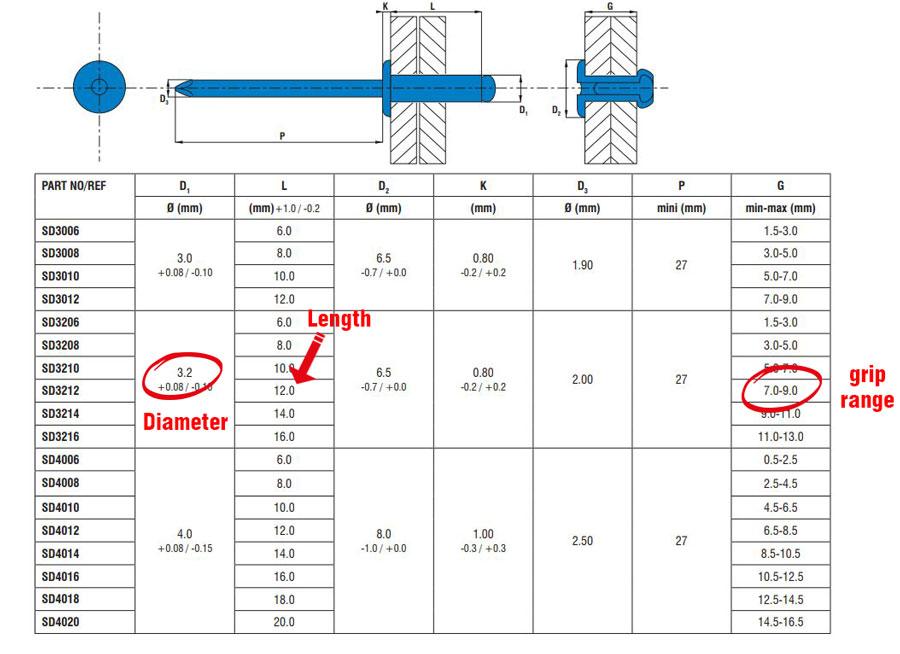
Step 2 – Select the Rivet Diameter
The rivet diameter directly affects the strength of the joint.
Common blind rivet diameters include:
- 3.2 mm (1/8")
- 4.0 mm
- 4.8 mm (3/16")
- 6.4 mm (1/4")
General Guidelines
- Light-duty applications: 3.2 mm
- General industrial use: 4.8 mm
- Heavy-duty applications: 6.4 mm
Larger rivet diameters generally provide greater shear and tensile strength.
Step 3 – Choose the Correct Rivet Material
The operating environment and application requirements determine the most suitable rivet material.
Aluminium Blind Rivets
Advantages
- Lightweight
- Corrosion resistant
- Easy to install
Common Applications
- HVAC systems
- Signage
- Light sheet metal fabrication
Steel Blind Rivets
Advantages
- Higher strength
- Cost-effective
Common Applications
- Trailers
- Truck bodies
- Industrial equipment
Stainless Steel Blind Rivets
Advantages
- Excellent corrosion resistance
- High strength
- Long service life
Common Applications
- Marine environments
- Coastal construction
- Food processing equipment
For harsh environments, stainless steel blind rivets are often the preferred choice due to their superior corrosion resistance.
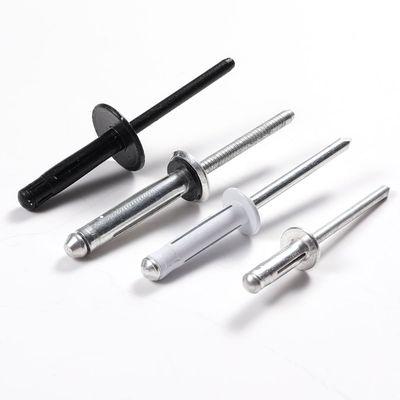
Step 4 – Consider Environmental Conditions
Environmental exposure plays a major role in blind rivet selection.
Indoor Applications
Recommended materials:
- Aluminium
- Zinc-plated steel
Outdoor Applications
Recommended materials:
- Stainless steel
- Sealed rivets
Marine and Coastal Applications
Recommended:
- 316 stainless steel blind rivets
These provide excellent resistance to saltwater, moisture, and chloride exposure.
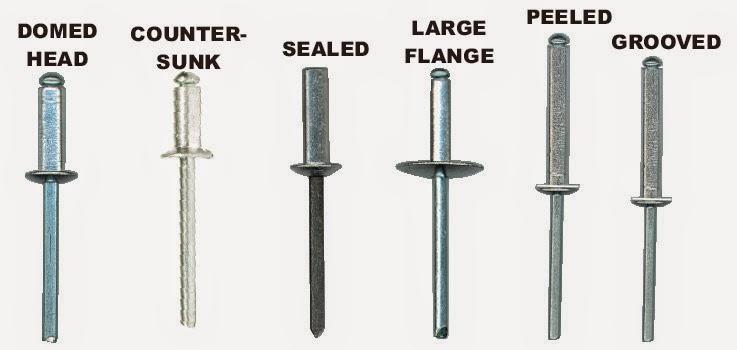
Step 5 – Select the Correct Rivet Head Style
Dome Head Rivets
The most common blind rivet style.
Benefits
- Good appearance
- General-purpose use
- Suitable for most applications
Large Flange Rivets
Benefits
- Greater bearing surface
- Better load distribution
- Suitable for softer materials
Countersunk Rivets
Benefits
- Flush finish
- Improved appearance
- Reduced protrusion
Commonly used where aesthetics or clearance is important.
Step 6 – Determine Strength Requirements
Different applications require different performance levels.
Standard Blind Rivets
Suitable for:
- General assembly
- Sheet metal fabrication
- Light industrial applications
Structural Blind Rivets
Suitable for:
- Vehicle bodies
- Transport equipment
- Construction projects
- Heavy-duty industrial applications
Structural blind rivets provide significantly higher shear and tensile strength and offer superior vibration resistance compared to standard blind rivets.
Step 7 – Consider Water and Air Tightness
Where water ingress must be prevented, consider using closed-end blind rivets.
Closed-End Blind Rivets
Benefits
- Sealed installation
- Improved corrosion resistance
- Prevents moisture penetration
Typical Applications
- Truck bodies
- HVAC equipment
- Electrical enclosures
- Marine applications
Common Blind Rivet Selection Mistakes
Avoid these common errors:
- Choosing the wrong grip range
- Using aluminium rivets in high-strength applications
- Selecting zinc-plated rivets in marine environments
- Ignoring galvanic corrosion between dissimilar metals
- Using standard rivets where structural blind rivets are required
Frequently Asked Questions
What size blind rivet should I use?
The correct blind rivet size depends on the total thickness of the materials being joined and the required strength of the application.
What is the difference between standard and structural blind rivets?
Structural blind rivets provide higher shear and tensile strength and are designed for heavy-duty applications where vibration resistance is important.
Are stainless steel blind rivets better than aluminium rivets?
Stainless steel blind rivets offer greater strength and corrosion resistance, while aluminium rivets are lighter, easier to install, and often more economical.
Can blind rivets be used outdoors?
Yes. Stainless steel blind rivets and sealed rivets are commonly used for outdoor and exposed environments due to their corrosion resistance.
Need Help Selecting the Right Blind Rivet?
Selecting the right blind rivet can significantly improve fastening performance, durability, and long-term reliability. By considering grip range, material, head style, environmental conditions, and strength requirements, you can choose the most suitable rivet for your application.
At Top Fasteners, we supply a comprehensive range of fastening solutions, including blind rivets, structural blind rivets, stainless steel blind rivets, multi-grip rivets, and large flange rivets for industrial applications across Australia.
Our experienced team can help you select the correct rivet based on material thickness, strength requirements, corrosion resistance, and application conditions.
Contact Top Fasteners today for expert advice and a competitive quotation on your blind rivet requirements.