

Lockbolts vs Conventional Bolts: Which Fastening System Is Right for Your Application?
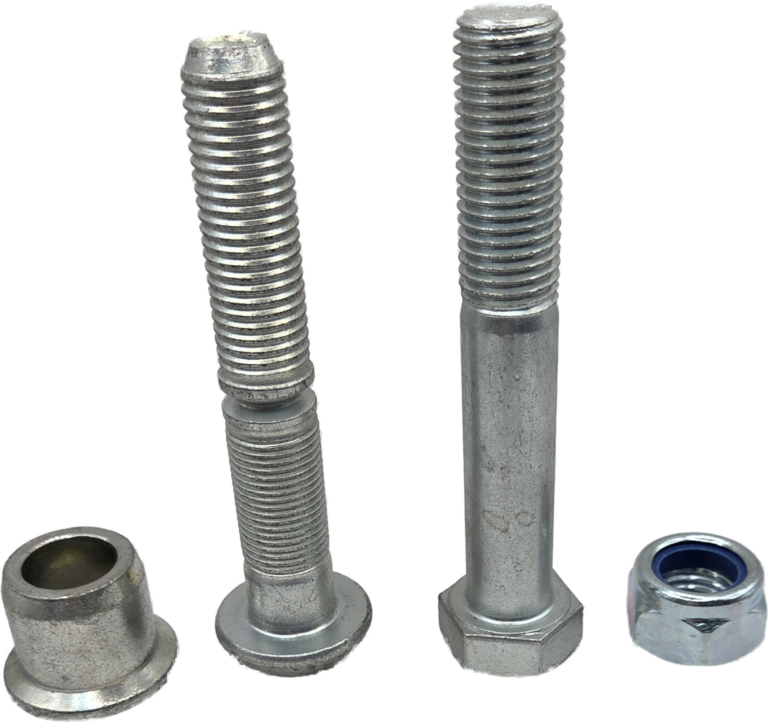
When comparing lockbolts vs conventional bolts, choosing the right fastening system can significantly impact equipment reliability, maintenance costs, and long-term performance.
Both fastening methods provide strong mechanical connections, but they differ in installation speed, vibration resistance, clamp force retention, maintenance requirements, and service life.
For industries such as transport, mining, construction, manufacturing, and heavy engineering, selecting the correct fastening solution can reduce downtime, improve safety, and lower operating costs.
This guide explains the key differences between lockbolts and conventional bolts to help determine which fastening system is best suited for your application.
What Is a Lockbolt?
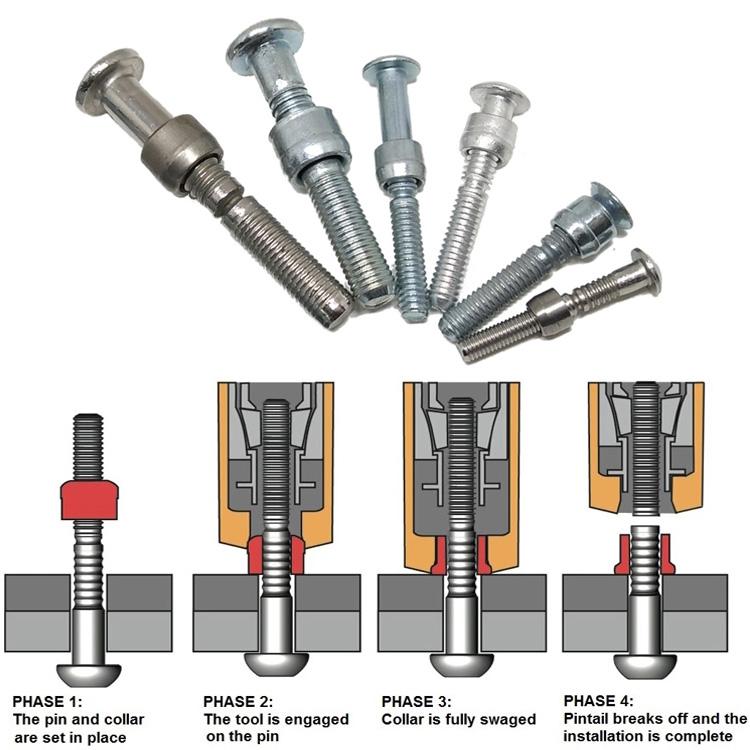
A lockbolt is a two-piece fastening system consisting of:
- A pin
- A collar
During installation, a hydraulic or pneumatic installation tool swages the collar onto the pin, creating a permanent, vibration-resistant connection.
Unlike conventional bolts, lockbolts do not rely on thread friction to maintain clamp force.
Common lockbolt brands include:
- Huck® Lockbolts
- Avdel® Lockbolts
- Structural Lockbolt Systems
Lockbolts are widely used in:
- Truck and trailer manufacturing
- Railway applications
- Construction equipment
- Mining equipment
- Agricultural machinery
- Heavy transport vehicles
What Is a Conventional Bolt?
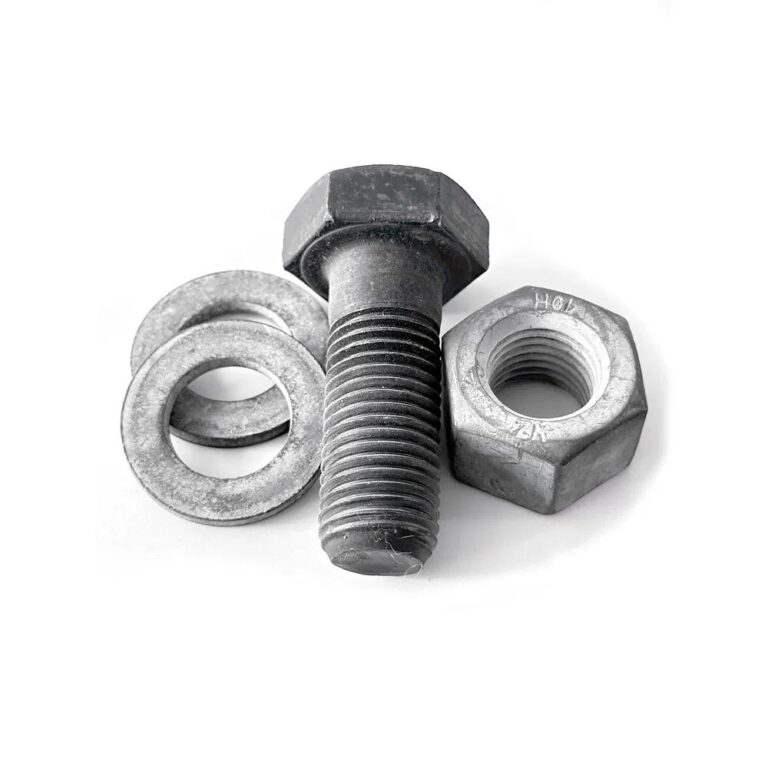
A conventional bolted joint consists of:
- A bolt
- A nut
- Often a washer
The joint is secured by tightening the nut to create clamp force between the components.
Bolts are widely used because they are:
- Readily available
- Relatively inexpensive
- Easy to install and remove
Common bolt types include:
- Hex head bolts
- High tensile bolts
- Structural bolts
- Stainless steel bolts
Installation Comparison
Lockbolts
Advantages
- Fast installation
- Consistent clamp force
- Single-side installation possible in some applications
- No torque control required
Once installed, the lockbolt creates a permanent joint that cannot loosen under normal operating conditions.
Conventional Bolts
Advantages
- Simple tools required
- Easy to replace
- Suitable for maintenance access
Disadvantages
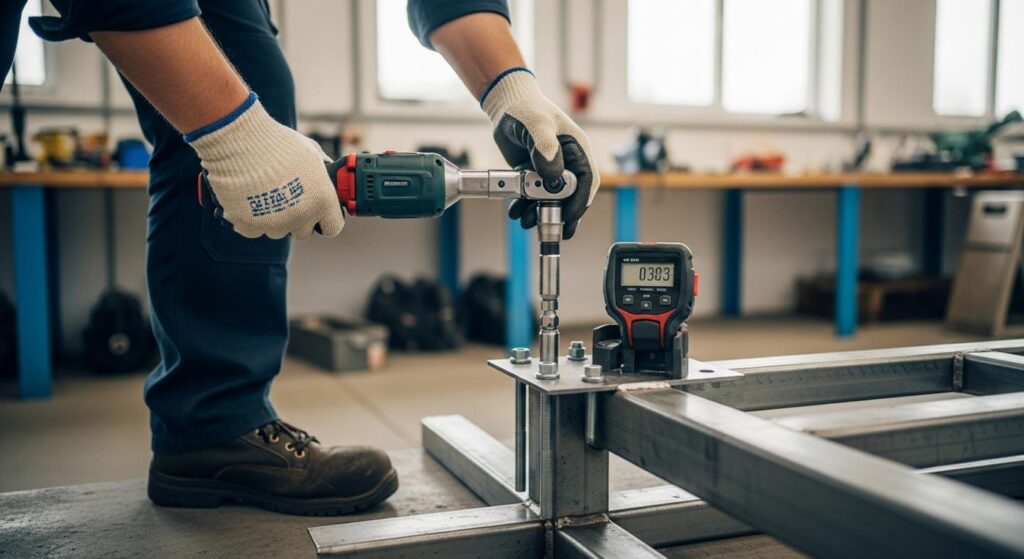
- Correct torque is critical
- Under-tightening and over-tightening can occur
- Installation quality depends on the operator
Vibration Resistance
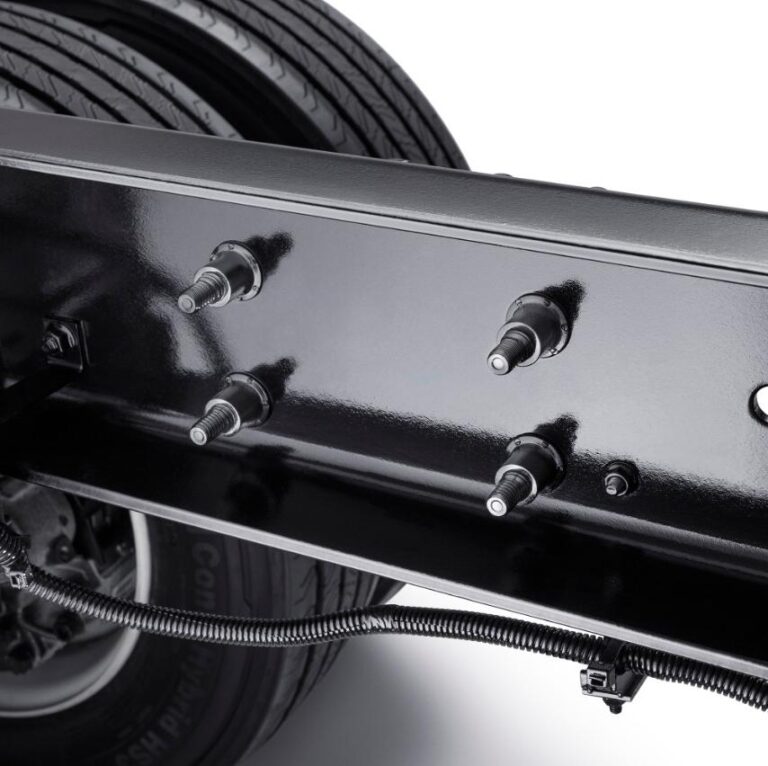
This is where lockbolts offer a major advantage.
Lockbolts
Lockbolts provide exceptional resistance to:
- Shock loading
- Dynamic loading
- Continuous vibration
Because the collar is mechanically swaged onto the pin, there are no threads to loosen during service.
Conventional Bolts
Conventional bolts can gradually lose preload due to:
- Vibration
- Cyclic loading
- Thermal expansion and contraction
This can result in:
- Joint movement
- Component wear
- Fastener loosening
- Increased maintenance requirements
Strength and Clamp Force
Lockbolts
Benefits include
- High tensile strength
- High shear strength
- Consistent clamp force
- Excellent fatigue resistance
Lockbolts often outperform conventional bolted joints in demanding structural applications.
Conventional Bolts
Strength depends on:
- Bolt grade
- Correct torque
- Joint design
While high tensile bolts can provide excellent strength, maintaining clamp force over time may require periodic inspection and retightening.
Maintenance Requirements
Lockbolts
Once installed:
- No retightening required
- Minimal maintenance
- Reduced inspection costs
This is a significant advantage for fleet operators and heavy equipment manufacturers.
Conventional Bolts
May require:
- Periodic torque checks
- Retightening
- Replacement of loosened fasteners
Maintenance costs can increase significantly over the life of the equipment.
Installation Speed
Lockbolts
Lockbolt installation is typically faster in production environments.
Benefits include
- Reduced assembly time
- Improved productivity
- Consistent installation quality
Conventional Bolts
Installation requires:
- Bolt placement
- Washer placement
- Nut installation
- Torque application
Assembly times are generally longer.
Removal and Serviceability
Lockbolts
Because lockbolts create a permanent joint, removal generally requires:
- Grinding
- Drilling
- Cutting
This is suitable where permanent fastening is desired.
Conventional Bolts
Can be removed using standard hand tools.
This makes them ideal where future disassembly or maintenance is expected.
Typical Applications
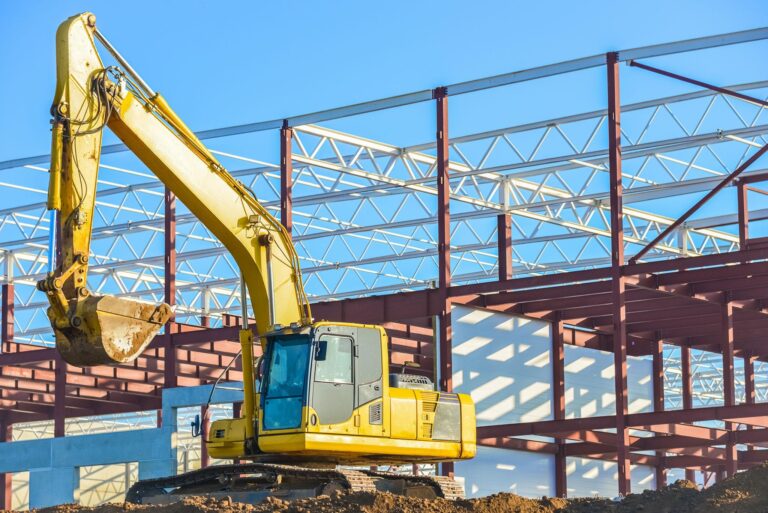
Lockbolts Are Preferred For:
- Truck chassis
- Trailer manufacturing
- Railway rolling stock
- Railway crossings and guard rails
- Road tankers
- Stock trailers
- Bus body assembly
- Construction equipment
- Mining machinery
- Heavy transport equipment
- Structural assemblies exposed to vibration
Conventional Bolts Are Preferred For:
- Machinery requiring regular servicing
- Equipment that may need disassembly
- General construction
- Maintenance applications
- Non-vibration-critical assemblies
Cost Considerations
At first glance, lockbolts often have a higher initial installation cost due to:
- Installation equipment
- Specialised tooling
However, over the life of the assembly, lockbolts frequently provide a lower total cost of ownership through:
- Reduced maintenance
- Fewer failures
- Improved reliability
- Faster production assembly
Lockbolts vs Conventional Bolts – Summary
| Feature | Lockbolts | Conventional Bolts |
|---|---|---|
| Vibration Resistance | Excellent | Moderate |
| Clamp Force Retention | Excellent | Variable |
| Installation Speed | Fast | Moderate |
| Maintenance | Minimal | Periodic |
| Removal | Permanent | Reusable |
| Fatigue Resistance | Excellent | Good |
| Best For | Transport, mining, heavy equipment | General engineering and serviceable assemblies |
Frequently Asked Questions
Are lockbolts stronger than conventional bolts?
Lockbolts generally provide higher clamp force retention and superior vibration resistance compared to conventional bolted joints.
Why are lockbolts used in trucks and trailers?
Lockbolts are highly resistant to vibration and shock loading, making them ideal for transport equipment operating under demanding conditions.
Can lockbolts be removed?
Yes. However, because lockbolts are permanent fasteners, removal typically requires grinding, drilling, or cutting.
What industries commonly use lockbolts?
Lockbolts are widely used in transport, mining, railway, construction, agriculture, and heavy manufacturing industries.
Are lockbolts more expensive than conventional bolts?
Lockbolts often have a higher initial installation cost but can reduce maintenance expenses and improve reliability over the life of the assembly.
Need Help Choosing the Right Fastening System?

Selecting between lockbolts and conventional bolts depends on the application's loading conditions, vibration exposure, maintenance requirements, and long-term operating costs.
For high-vibration and heavy-duty applications, lockbolts often provide superior performance, improved reliability, and lower lifetime maintenance costs. Conventional bolts remain a practical choice where regular disassembly and servicing are required.
At Top Fasteners, we supply a comprehensive range of lockbolts, high-strength lockbolts, blind rivets, and structural blind rivets for transport, construction, manufacturing, mining, and infrastructure projects throughout Australia.
Contact Top Fasteners today for expert advice and a competitive quotation on the most suitable fastening solution for your application.