

When Should You Use Speed Rivets Instead of Standard Blind Rivets?
In modern manufacturing and assembly, production speed is often just as important as
product quality. Every second saved during installation can reduce labour costs and improve
productivity.
While standard blind rivets remain one of the most popular fastening solutions, speed rivets
are designed specifically for applications where rapid installation and high-volume
production are priorities.
Understanding when to use speed rivets can help manufacturers improve efficiency without
compromising joint reliability.
What Is a Speed Rivet?
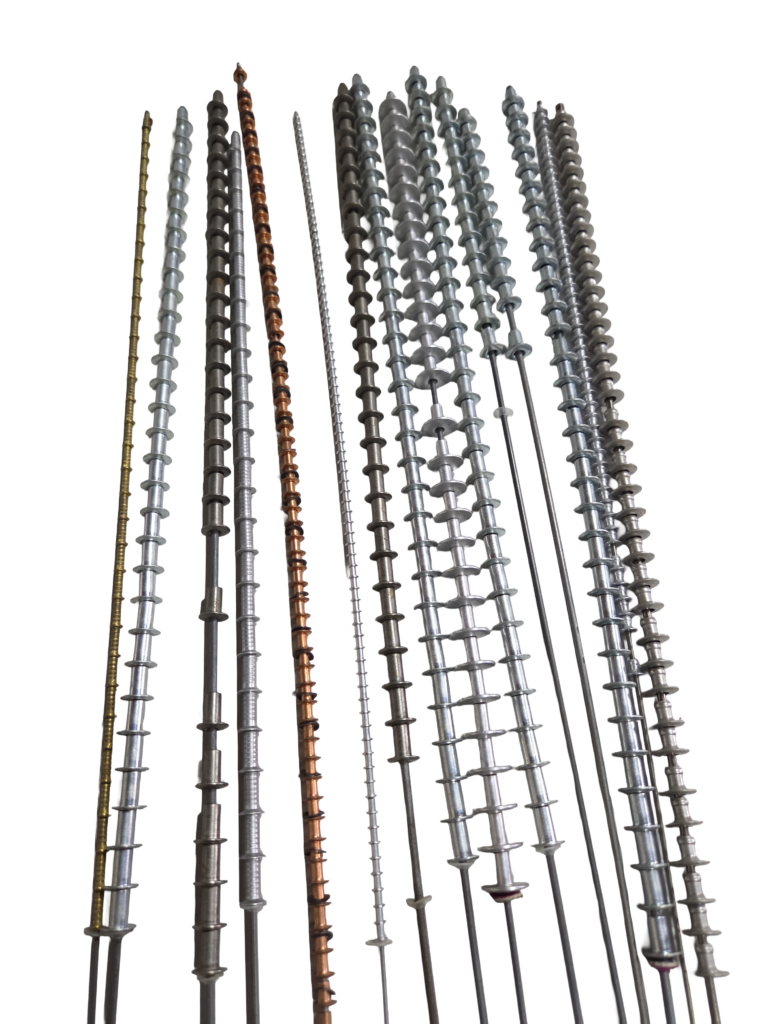
A speed rivet is a type of blind rivet designed for fast, repeatable installation.
Unlike many conventional blind rivets, speed rivets are engineered to simplify the installation
process while maintaining a secure fastening.
They are particularly suited to production environments where thousands of rivets are
installed every day.
What Is a Standard Blind Rivet?
A standard blind rivet is one of the most widely used permanent fastening systems.
It provides a strong mechanical joint by pulling a mandrel through the rivet body, causing the
blind side to expand and clamp the materials together.
Standard blind rivets are suitable for a wide range of applications and material combinations.
When Are Speed Rivets the Better Choice?
1. High-Volume Production
Speed rivets are ideal when large numbers of rivets are installed every shift.
Typical industries include:
✔ Truck and trailer manufacturing
✔ HVAC duct fabrication
✔ Electrical cabinets
✔ Whitegoods manufacturing
✔ Sheet metal production
✔ General engineering
Reducing installation time by even a second per rivet can result in significant labour savings.
2. Repetitive Assembly Work
Where operators repeatedly install the same rivet size throughout the day, speed rivets improve productivity and reduce operator fatigue.
This makes them particularly suitable for automated and semi-automated production lines.
3. Consistent Material Thickness
Speed rivets perform best where the material thickness remains relatively consistent throughout production.
Because the same rivet is repeatedly installed, production becomes faster and more efficient.
4. Labour Cost Reduction
Installation time is often one of the largest production costs.
Faster installation means:
✔ More assemblies completed each shift
✔ Lower labour cost per product
✔ Increased production capacity
✔ Improved manufacturing efficiency
Benefits of Speed Rivets
Faster Installation
The primary advantage is installation speed.
Production operators can install speed rivets more quickly than conventional blind rivets, particularly during repetitive work.
Increased Productivity
Faster installation directly increases production output.
Manufacturers may complete more products without increasing labour.
Reduced Operator Fatigue
Simplified installation reduces repetitive effort during long production runs.
This helps improve operator comfort and consistency.
Consistent Installation Quality
Using the same installation process repeatedly helps maintain consistent joint quality across production batches.
Suitable for Automation
Speed rivets are commonly used with automated and semi-automatic riveting equipment where production speed is critical.
When Are Standard Blind Rivets the Better Choice?
Despite the advantages of speed rivets, standard blind rivets remain the better option in many situations.
Examples include:
✔ Variable material thickness
✔ Maintenance and repair work
✔ General fabrication
✔ Small production quantities
✔ Applications requiring specialised rivet types
Standard blind rivets also provide a wider variety of materials, head styles, grip ranges and specialised performance characteristics.
Comparing Speed Rivets and Standard Blind Rivets
| Feature | Speed Rivets | Standard Blind Rivets |
|---|---|---|
| Installation speed | Excellent | Good |
| High-volume production | Excellent | Good |
| Labour efficiency | Excellent | Good |
| Automation suitability | Excellent | Good |
| Wide range of grip lengths | Limited | Excellent |
| Product variety | Moderate | Extensive |
| Best application | Production lines | General fabrication |
Industries That Benefit Most
Speed rivets are commonly used in:
✔ Truck and trailer manufacturing
✔ HVAC fabrication
✔ Sheet metal fabrication
✔ Cabinet manufacturing
✔ Electrical enclosures
✔ Appliance manufacturing
✔ Production assembly
✔ Industrial manufacturing
Choosing the Right Rivet
The best rivet depends on several factors:
✔ Production volume
✔ Material thickness
✔ Joint strength
✔ Installation equipment
✔ Labour costs
✔ Production efficiency
An experienced fastening supplier can recommend the most suitable rivet for your application based on your manufacturing process rather than simply selecting the lowest-cost fastener.
Conclusion
Both speed rivets and standard blind rivets offer reliable fastening solutions.
If your priority is maximum installation speed, increased production efficiency, and reduced labour costs, speed rivets can provide significant advantages.
However, where versatility, wider grip ranges and specialised applications are required, standard blind rivets continue to be the preferred choice.
Selecting the correct rivet ultimately depends on your production process, material thickness and performance requirements.
If you need advice on choosing the right blind rivet for your application, the fastening specialists at Top Fasteners can help you identify the most efficient and cost-effective solution.