

When and Why It Is Better to Use Rivnuts (Nutserts) Instead of Other Fastening Methods
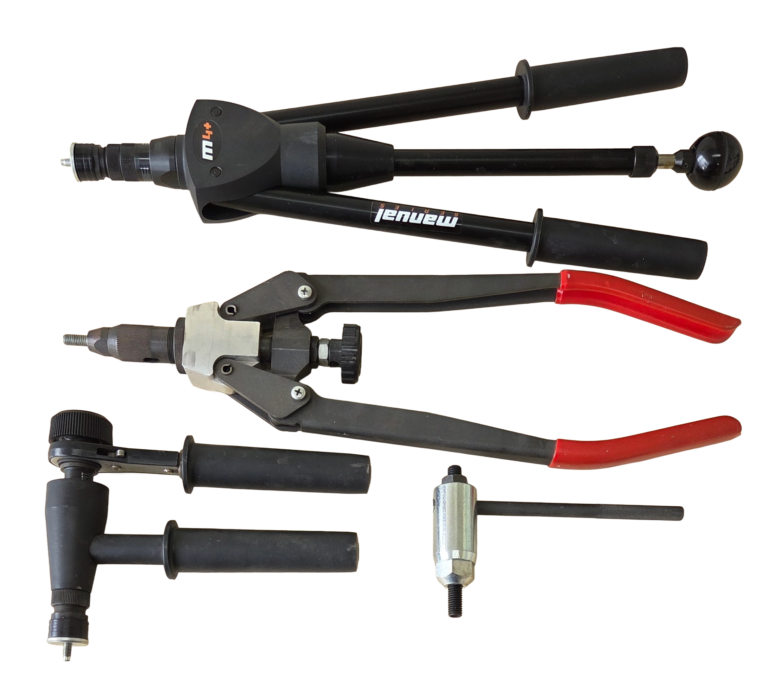
Selecting the correct fastening method is just as important as choosing the right fastener. In many applications, conventional nuts and bolts, welding, self-tapping screws, or threaded holes may not be practical or cost-effective.
This is where rivnuts, also known as nutserts or blind threaded inserts, provide a versatile and reliable solution.
Rivnuts create a permanent internal thread in thin materials, allowing components to be securely fastened even when access is only available from one side.
What Is a Rivnut (Nutsert)?
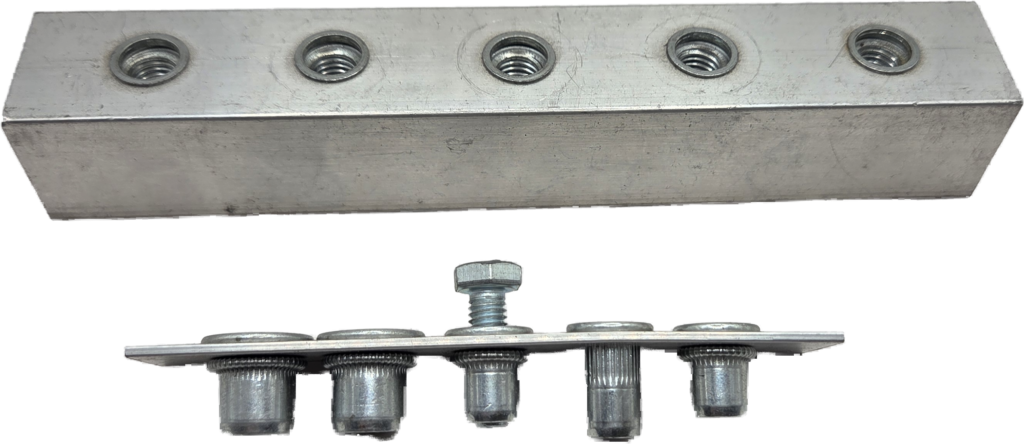
A rivnut is a tubular threaded insert installed into a pre-drilled hole using a specialised installation tool.
During installation, the body of the rivnut collapses behind the material, clamping itself securely in place while leaving a strong machine thread ready to accept a bolt or screw.
Because installation only requires access from one side, rivnuts are often referred to as blind threaded inserts.
Why Not Simply Tap a Thread?
Many people assume a thread can simply be tapped into the material. However, thin sheet metal often provides insufficient thread engagement.
For example:
✔ 1.5 mm steel
✔ 2 mm aluminium
✔ Thin stainless steel panels
These materials usually cannot provide enough thread depth for repeated assembly and disassembly.
A rivnut creates a much stronger threaded connection.
When Are Rivnuts the Best Choice?
1. Access Is Only Available From One Side
One of the biggest advantages of rivnuts is blind installation. Unlike conventional nuts and bolts, no access is required behind the panel.
Typical applications include:
✔ Vehicle body panels
✔ Tubular frames
✔ Steel posts
✔ Enclosures
✔ Cabinets
✔ Structural sections
Where only one side is accessible, rivnuts provide an ideal fastening solution.
2. Thin Materials
Thin sheet materials are difficult to tap successfully.
Rivnuts create durable machine threads in:
✔ Sheet steel
✔ Stainless steel
✔ Aluminium
✔ Composite panels
✔ Fibreglass
✔ Plastics
3. Components Need To Be Removed
Unlike blind rivets, rivnuts allow components to be removed and reinstalled repeatedly.
This makes them ideal for:
✔ Service panels
✔ Inspection covers
✔ Equipment maintenance
✔ Machine guards
✔ Electrical enclosures
The bolt can simply be removed while the rivnut remains permanently installed.
4. Welding Is Not Practical
Welding captive nuts can be:
✔ Time consuming
✔ Expensive
✔ Difficult on painted components
✔ Unsuitable for aluminium or stainless assemblies
✔ A source of heat distortion
Rivnuts eliminate many of these problems while providing a strong threaded fixing.
Benefits of Rivnuts
Benefits of Rivnuts
✔ Strong Internal Threads
Rivnuts provide reliable machine threads in materials that would otherwise be too thin to tap.
✔ One-Sided Installation
No rear access is required. This greatly simplifies installation inside enclosed sections.
✔ Faster Assembly
Installation is usually much faster than welding captive nuts or fabricating brackets.
✔ Repeatable Assembly
Components can be removed numerous times without damaging the parent material.
✔ Professional Appearance
Installed correctly, rivnuts produce a neat, professional finish suitable for industrial and commercial applications.
Rivnuts Compared With Other Fastening Methods
| Fastening Method | Advantages | Limitations |
|---|---|---|
| Rivnuts | Blind installation, reusable thread, removable bolts | Requires installation tool |
| Standard Blind Rivets | Fast, permanent fastening | Cannot be removed without drilling |
| Self-Tapping Screws | Low cost, simple installation | Threads may wear after repeated removal |
| Tapped Holes | Strong in thick material | Poor thread engagement in thin sheet |
| Weld Nuts | Very strong | Labour intensive and requires welding |
Common Applications
Rivnuts are widely used in:
✔ Truck and trailer manufacturing
✔ Automotive repairs
✔ Agricultural equipment
✔ Mining equipment
✔ HVAC systems
✔ Sheet metal fabrication
✔ Electrical cabinets
✔ Marine fabrication
✔ Railway maintenance
✔ Industrial machinery
Where removable fasteners are required in thin materials, rivnuts are often the preferred solution.
Industries That Benefit Most
Speed rivets are commonly used in:
✔ Truck and trailer manufacturing
✔ HVAC fabrication
✔ Sheet metal fabrication
✔ Cabinet manufacturing
✔ Electrical enclosures
✔ Appliance manufacturing
✔ Production assembly
✔ Industrial manufacturing
Choosing the Right Rivnut
Selecting the correct rivnut depends on several factors:
✔ Material thickness
✔ Material type
✔ Thread size
✔ Required pull-out strength
✔ Corrosion resistance
✔ Installation tool
✔ Head style (flat head, countersunk or reduced head)
Using the correct rivnut ensures maximum joint strength and long-term reliability.
Conclusion
Rivnuts provide an excellent fastening solution whenever strong reusable threads are required in thin materials or where access is only available from one side.
Compared with self-tapping screws, welded nuts, tapped holes and conventional blind rivets, rivnuts offer greater versatility, easier installation and the ability to repeatedly remove and reinstall components without damaging the joint.
For manufacturers, maintenance teams and fabricators, rivnuts can significantly improve assembly efficiency while providing strong, reliable threaded connections.
If you’re unsure which rivnut is best for your application, the fastening specialists at Top Fasteners can help you select the most suitable threaded insert and installation tool.