

When and Why Multigrip Blind Rivets Are Better Than Standard Blind Rivets
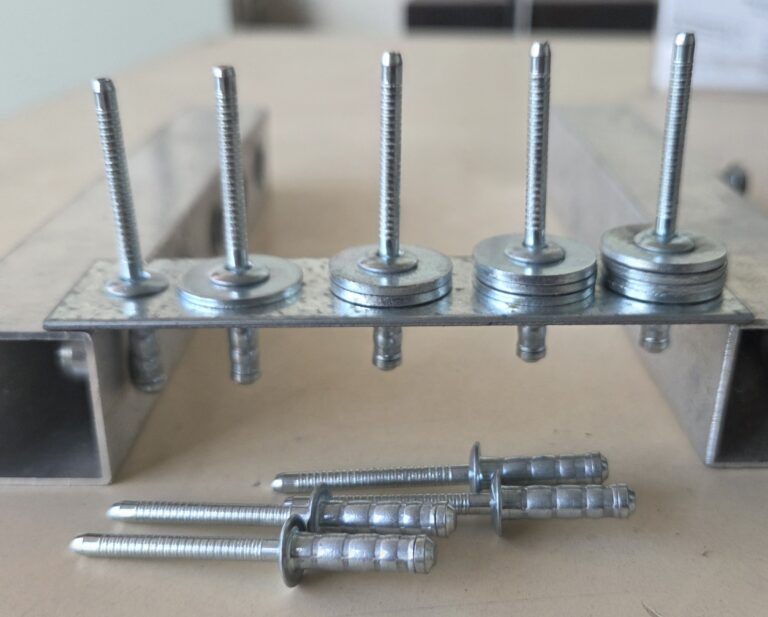
Choosing the right blind rivet can make a significant difference to the strength, appearance,
and efficiency of an assembly. While standard blind rivets remain the most commonly used
fastening solution, multigrip blind rivets offer several advantages in applications where
material thickness varies or inventory needs to be simplified.
Understanding the differences between these two types of rivets helps manufacturers,
maintenance teams, fabricators, and installers select the most suitable fastening solution.
What Is a Standard Blind Rivet?
A standard blind rivet is designed to clamp materials within a specific grip range. Every rivet
size has a relatively narrow thickness range that it can fasten effectively.
For example, a standard rivet may only be suitable for joining materials with a combined
thickness of 3–5 mm. If the material is thinner or thicker than this range, a different rivet
length is usually required.
Standard blind rivets are widely used because they are economical, reliable, and suitable for
consistent production where material thickness rarely changes.
What Is a Multigrip Blind Rivet?
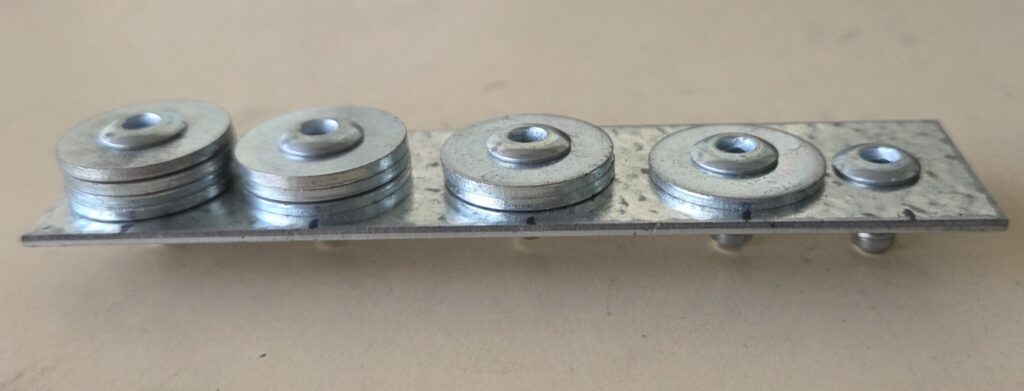
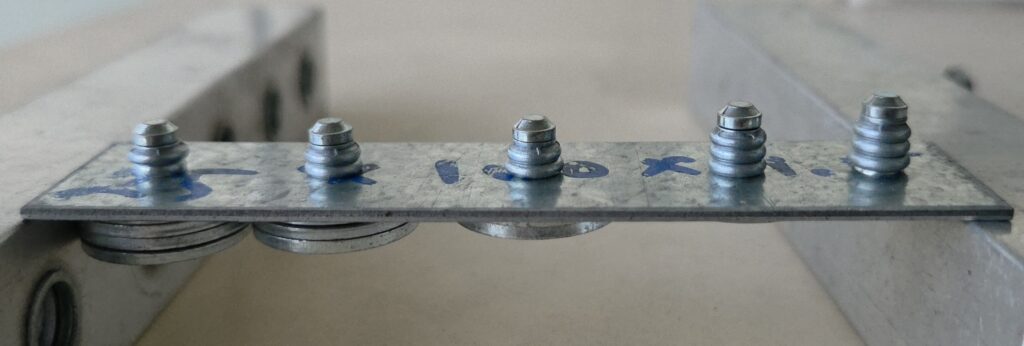
A multigrip blind rivet is engineered to accommodate a much wider grip range than a
standard rivet.
Instead of requiring several different rivet lengths, one multigrip rivet can often replace two,
three, or even four standard rivets.
This flexibility allows manufacturers and installers to use fewer rivet sizes while maintaining
secure and reliable joints.
When Are Multigrip Blind Rivets the Better Choice?
1. Variable Material Thickness
Many fabrication and maintenance projects involve materials that vary in thickness.
Examples include:
✔ Truck and trailer body manufacturing
✔ HVAC ductwork
✔ Sheet metal fabrication
✔ Agricultural equipment
✔ General maintenance and repair
Rather than measuring each assembly and selecting different rivet lengths, a multigrip rivet can accommodate a wider range of material thicknesses.
This reduces installation errors and speeds up production.
2. Reduced Inventory
One of the biggest advantages of multigrip blind rivets is inventory reduction.
Instead of stocking several different rivet lengths for the same diameter, a business may only need one multigrip size.
Benefits include:
✔ Lower inventory costs
✔ Less storage space
✔ Easier stock management
✔ Fewer ordering mistakes
For businesses using thousands of rivets each month, this can significantly simplify purchasing and warehouse operations.
3. Faster Assembly
Production efficiency improves because operators spend less time identifying the correct rivet length.
This is particularly beneficial on:
✔ Production lines
✔ Construction sites
✔ Mobile repair work
✔ Maintenance departments
Fewer rivet changes mean fewer interruptions during installation.
4. Reduced Installation Errors
Using the wrong rivet length is one of the most common installation mistakes.
A rivet that is too short may not fully clamp the materials, while an excessively long rivet can deform the joint or produce an untidy finish.
Because multigrip rivets cover a broader grip range, the risk of selecting the wrong rivet is significantly reduced.
Are Standard Blind Rivets Still the Better Option?
Yes.
Standard blind rivets remain the preferred choice in many applications.
They are ideal when:
✔ Material thickness is always consistent
✔ Large production runs use the same components
✔ Cost is the primary consideration
✔ A specific engineering specification calls for a standard rivet
In these situations, standard blind rivets continue to provide excellent performance at a lower unit cost.
Comparing Multigrip and Standard Blind Rivets
| Feature | Multigrip Blind Rivets | Standard Blind Rivets |
|---|---|---|
| Grip range | Wide | Narrow |
| Number of rivet sizes required | Fewer | More |
| Inventory required | Lower | Higher |
| Installation speed | Faster | Standard |
| Risk of incorrect rivet selection | Lower | Higher |
| Unit cost | Slightly higher | Lower |
| Best suited for | Variable thickness materials | Consistent material thickness |
Industries That Benefit from Multigrip Blind Rivets
Multigrip blind rivets are commonly used in:
✔ Truck and trailer manufacturing
✔ HVAC fabrication
✔ Construction
✔ Mining equipment
✔ Agricultural machinery
✔ Railway maintenance
✔ Marine fabrication
✔ General engineering
✔ Sheet metal fabrication
Where multiple material thicknesses are encountered, multigrip rivets often improve both productivity and inventory efficiency.
Choosing the Right Blind Rivet
Selecting the correct blind rivet depends on several factors:
✔ Combined material thickness
✔ Material type
✔ Joint strength requirements
✔ Environmental conditions
✔ Corrosion resistance
✔ Production efficiency
An experienced fastening supplier can help identify the most suitable rivet for your application and reduce unnecessary inventory without compromising performance.
Conclusion
While standard blind rivets continue to be an excellent fastening solution for many
applications, multigrip blind rivets offer greater flexibility, reduce inventory, simplify
installation, and minimise the risk of selecting the wrong rivet.
For manufacturers and maintenance teams working with varying material thicknesses,
multigrip blind rivets can improve efficiency while maintaining strong, reliable joints.
If you’re unsure which blind rivet is best for your application, contact the fastening specialists
at Top Fasteners for expert advice on selecting the right rivet for your project.